
Air Dome Value: What Can It Bring?
As traditional construction still relies heavily on concrete and steel, air-supported structures are quietly transforming the way we build, using air as their core structural element. This innovative approach provides users with a more convenient and effective option. But how do these air-supported structures work, and what air dome value could be provided?
Core Principles of Air-supported Structures
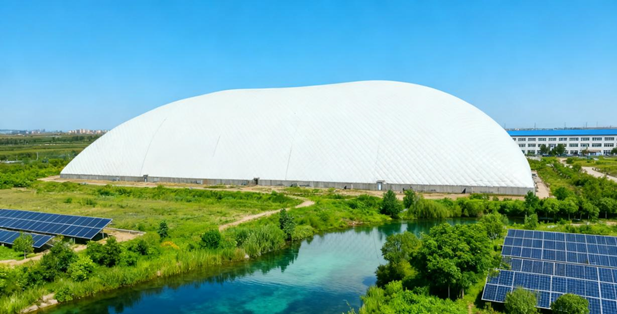
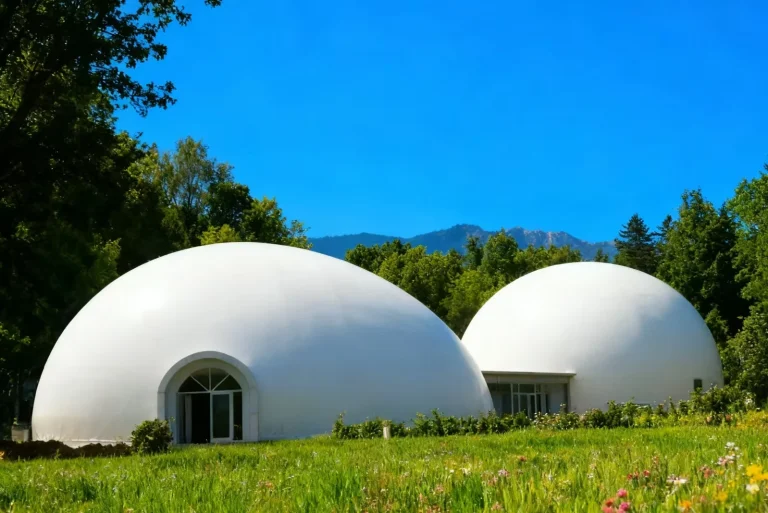
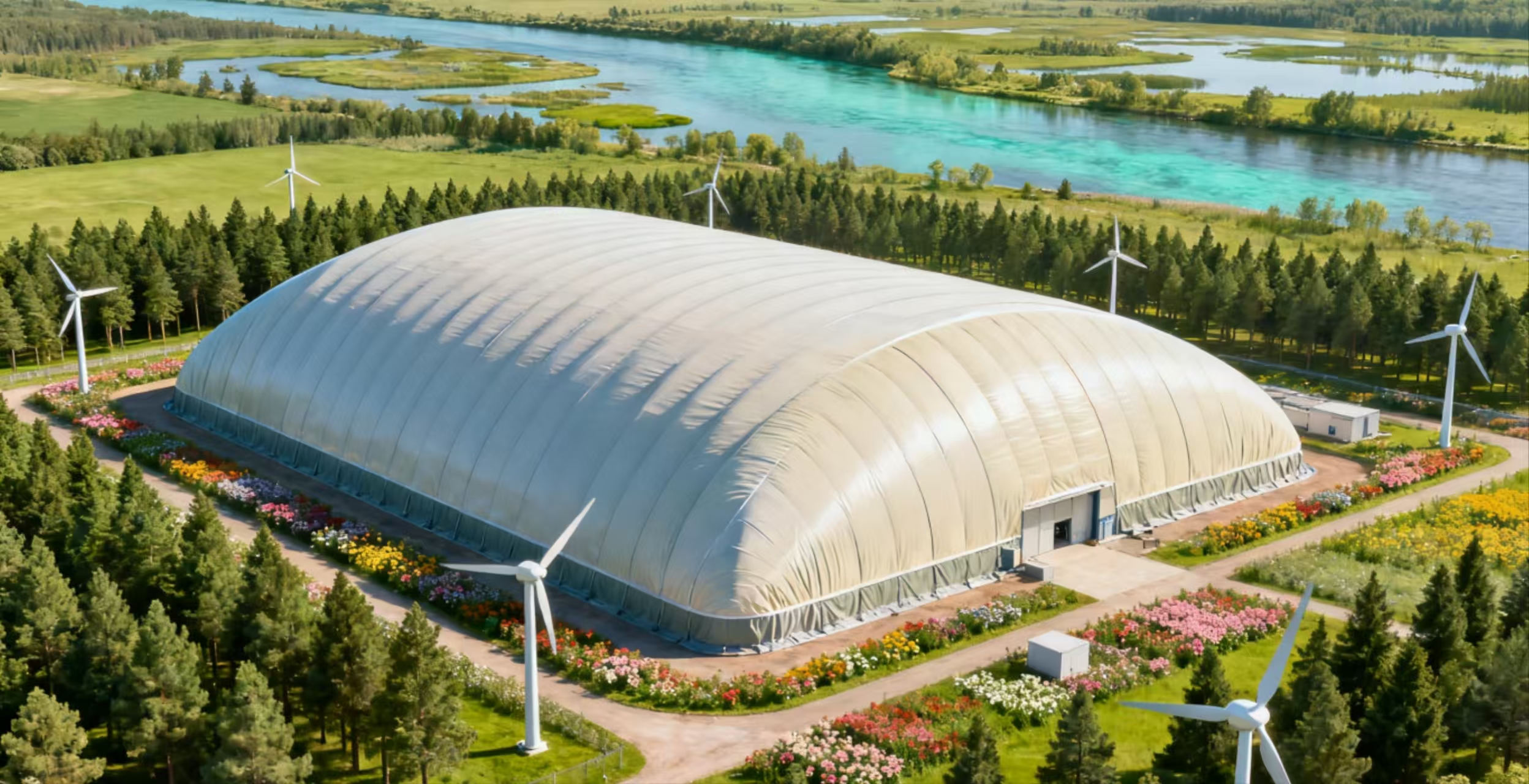
The fundamental principle of air-supported structures is the use of air pressure differentials to maintain their shape. A single-layer membrane covers the entire space, continuously inflated to maintain positive pressure, much like an inverted giant balloon. This design, supported by a diagonal mesh structure, creates column-free spaces that can reach heights of several meters. Alternatively, a double-layer membrane forms a hollow cavity, where only the interlayer is inflated. The pressurized area between the two PVDF membranes creates a stable “roof,” ensuring safety and insulation.
Economic and Efficiency Disruption
The growing popularity of air-supported structures among users can be attributed to their economic and efficient nature. Traditional sports facilities and tennis courts can take years to construct, while air-supported structures can be completed in just a few days or months.
From a cost perspective, building a conventional sports facility requires substantial materials, including significant amounts of steel and concrete. In contrast, air-supported sports venues can be constructed primarily through inflation, drastically reducing material needs and overall costs.
Furthermore, air-supported structures do not require complex foundations and can be quickly assembled on flat ground. The ribbed air membranes from CKIC can be constructed directly on hardened or soft ground. Once built, these structures can be reused, allowing for cost savings when dismantling and reassembling.

Energy Efficiency and Environmental Benefits
In an era marked by resource scarcity and material excess, environmentally friendly construction has become a top choice for many users. Air-supported structures are more energy-efficient compared to traditional constructions.
Natural Lighting
The polymer membrane materials used in air-supported structures have a light transmission rate of up to 10%, eliminating the need for artificial lighting during the day, unlike traditional buildings that require significant lighting and thus consume more electricity.
Insulation Properties
Air-supported structures inherently provide insulation, reducing energy consumption for temperature control. In winter, there is no need for heating systems, unlike conventional buildings that rely heavily on air conditioning and heating for temperature maintenance.
Pollution Control
The sealed structure of air-supported structures, combined with intelligent ventilation systems, ensures that the air inside remains fresh. Even in cities with high dust levels, occupants can still enjoy clean air, which contributes positively to human health.

Diverse Applications
The lightweight and reusable nature of air-supported structures significantly broadens their application scope. In the sports field, where venues often change due to frequent events, air-supported structures can be quickly erected wherever needed. Unlike traditional buildings, which are fixed in location post-construction, air-supported sports halls can be set up and dismantled as required, allowing for repeated use.
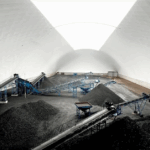
In industrial environments, air-supported structures can be employed for pollution control. For instance, when dealing with contaminated soil, constructing an air-supported structure can confine dust and odors, minimizing external pollution and maintaining environmental integrity.
In emergency scenarios, such as field hospitals or disaster relief efforts, the rapid deployment and convenience of air-supported structures make them irreplaceable, effectively addressing urgent needs.
Conclusion
Air-supported structures brilliantly harness the flexibility of air and the principles of air pressure to construct tall buildings. This innovation empowers organizations to create venues and host events more affordably. The environmental benefits and convenience of air domes further enhance their value, leading to widespread applications across various fields.
Go with CKIC for Air-supported Innovation
CKIC is a leading enterprise dedicated to providing innovative air-supported construction solutions and derivative products using advanced polymer materials. Recognized as a key player in the “Specialized, Refined, Superior, and Innovative” category by the Ministry of Industry and Information Technology of China, we are committed to serving global users with top-quality services.
Our company gathers a team of industry elites and high-level research talents, ensuring that we deliver high-quality air-supported structures and related products. We prioritize exceptional customer service and are dedicated to advancing the development of the air-supported membrane industry. With a focus on innovation and excellence, CKIC aims to set new standards in the field of air-supported construction and contribute to sustainable building practices worldwide.


Hello, I am very interested in the content of your article. How can we cooperate?